
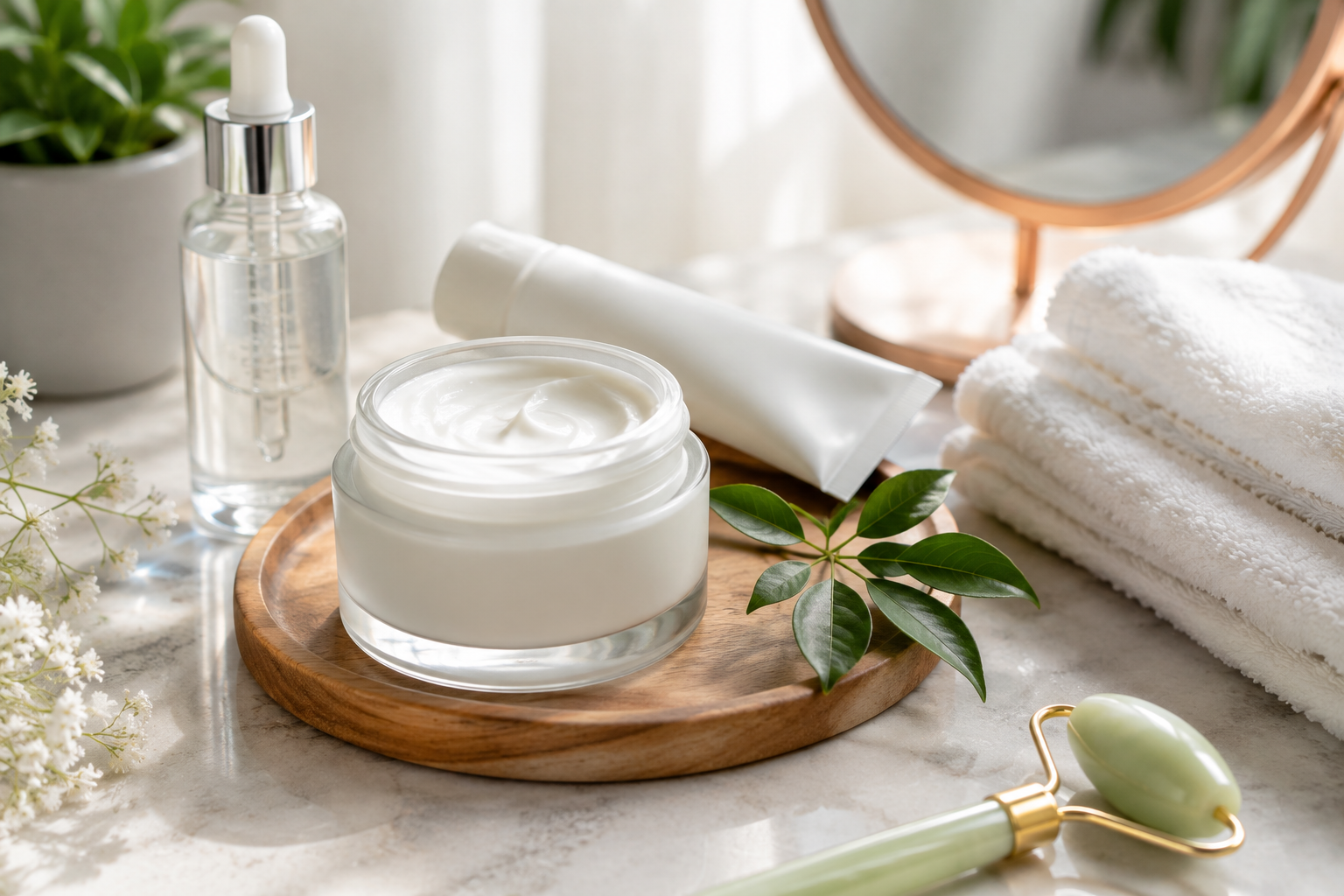
A good skincare routine does not have to contain a long list of products. For many people, the most effective approach is to understand what the skin actually needs and then build a routine around hydration, cleansing, protection, and consistency. When too many products are introduced at once, it can become difficult to understand which ones are helping and which ones may be causing irritation.
The skin is constantly exposed to environmental conditions such as sunlight, changing temperatures, dry indoor air, pollution, and everyday contact with different surfaces. A thoughtful routine can help maintain its natural moisture balance and keep it feeling comfortable.
Why Skin Hydration Matters
Water plays an important role in maintaining the skin’s normal appearance and comfort. When the skin becomes dehydrated, it may feel tight, rough, or less flexible. Dryness can also make fine lines and uneven texture appear more noticeable.
Hydration is therefore not only about appearance. Maintaining adequate moisture helps support the skin barrier, which plays an important role in protecting the body from external environmental factors.
A moisturizer can help reduce moisture loss by creating a layer over the skin. Different formulations work in different ways, so selecting one should depend on personal skin needs rather than popularity alone.
Start With a Gentle Cleanser
Cleansing is usually the first step in a basic skincare routine. The purpose is to remove excess oil, dirt, sweat, sunscreen, and other substances that accumulate on the skin throughout the day.
However, stronger does not always mean better. A cleanser that removes too much natural oil may leave the skin feeling dry or uncomfortable.
A gentle cleanser is often a better starting point because it can clean the skin without unnecessarily disrupting its moisture balance.
Choose Products According to Skin Type
Every person’s skin behaves differently.
Dry skin may benefit from richer moisturizing formulations, while oily skin may feel more comfortable with lighter textures. Combination skin can require a balance between hydration and oil control.
People with sensitive skin should pay particular attention to fragrance, active ingredients, and other components that may cause irritation.
Instead of following a routine simply because it works for someone else, observe how your own skin responds.
Consumers looking for more information about a particular skincare item can explore skincare product information before deciding whether it fits their routine.
Moisturizing After Cleansing
Applying moisturizer after cleansing can help maintain hydration. Slightly damp skin can make product application easier and may help reduce the uncomfortable feeling that sometimes occurs after washing.
The amount needed depends on the formulation and the individual. Applying a very thick layer does not necessarily produce better results.
A consistent moderate amount is generally more practical for everyday skincare.
Supporting the Skin Barrier
The skin barrier helps limit moisture loss while providing protection against external conditions. When it becomes disrupted, the skin can become more sensitive and dry.
Several factors can contribute to barrier problems, including excessive cleansing, harsh products, weather changes, and overuse of active ingredients.
A simple routine that focuses on gentle cleansing and adequate moisturization can help support normal barrier function.
The Importance of Sun Protection
Moisturizing alone cannot replace sun protection.
Daily exposure to ultraviolet radiation contributes to premature skin aging and other forms of skin damage. Using an appropriate broad-spectrum sunscreen during daytime is therefore an important part of a complete routine.
Sunscreen should generally be the final skincare step before makeup or other cosmetic products.
Avoid Changing Products Too Quickly
One common skincare mistake is switching products every few days.
Skin often needs time to adjust to a new routine. Constantly introducing new products also makes it difficult to identify the source of irritation if a reaction occurs.
Introducing one new product at a time creates a clearer picture of how the skin responds.
This approach is especially useful for people with sensitive or reactive skin.
Read the Ingredient List
The front of a package often focuses on marketing claims, while the ingredient list provides more useful information.
Learning about common skincare ingredients can help consumers make better decisions. Humectants, emollients, occlusives, antioxidants, and barrier-supporting ingredients all have different roles.
Rather than choosing a product because of one attractive claim, consider the complete formulation and whether it fits your skin type.
When Less Can Be More
A complicated routine is not automatically a better routine.
Using several exfoliants, serums, masks, and active ingredients simultaneously may increase the risk of irritation. A simpler routine can be easier to maintain and easier to evaluate.
For many people, a cleanser, moisturizer, and daytime sunscreen provide a practical foundation.
Additional products can be introduced when there is a specific reason to use them.
Creating a Consistent Routine
Consistency is one of the most important parts of skincare.
A routine that is followed regularly is generally more useful than an expensive collection of products that is used only occasionally.
Morning and evening routines can be kept relatively simple. Cleansing, moisturizing, and daytime protection can provide a foundation that can later be adjusted according to individual needs.
People dealing with persistent irritation, severe dryness, or unusual skin changes should consider speaking with a qualified healthcare professional or dermatologist.
Final Thoughts
Healthy-looking skin is supported by everyday habits rather than one isolated product. Gentle cleansing, appropriate hydration, sun protection, and consistent care can all contribute to maintaining comfortable and balanced skin.
Consumers should also avoid assuming that every skincare claim found online has been scientifically verified. Checking ingredients, understanding personal skin needs, and introducing new products gradually can make a routine safer and easier to manage.
For more health, wellness, and lifestyle information, visit PureHealthNest.