
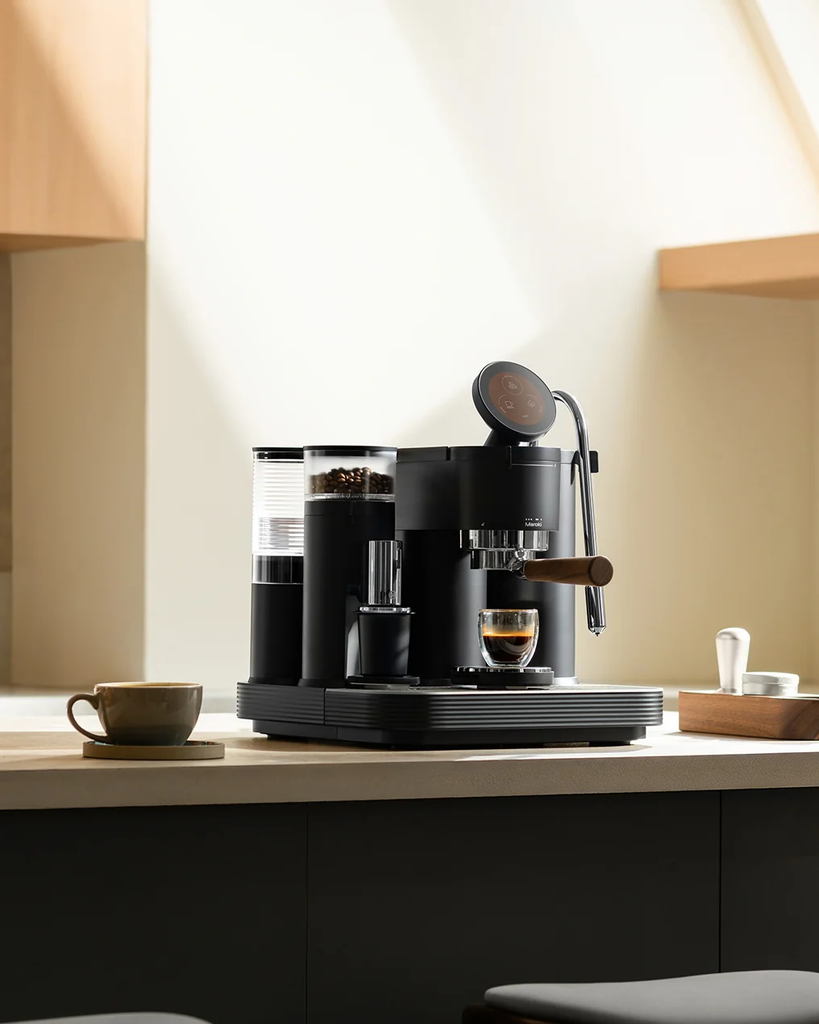
Choosing the right home espresso machine depends on more than price or appearance. Coffee lovers need to consider grinding, brewing, milk steaming, measurement, and how easily these functions fit into their daily routine. The Meraki home espresso machine is worth exploring for buyers who want an integrated coffee system that brings these important steps together instead of relying on several separate appliances.
Before choosing a machine, think about your experience level, favourite drinks, available counter space, and budget. A beginner may prioritise convenience and straightforward controls, while an experienced home barista may want greater control over extraction. Understanding these differences makes it easier to select equipment that suits your needs.
What Makes a Good Home Espresso Machine?
A good espresso machine should support a consistent preparation process and fit comfortably into your lifestyle. It should make preparing your preferred drinks practical without adding unnecessary complexity to your kitchen.
Several factors deserve attention. Grinder quality affects how consistently coffee can be prepared, while brewing controls influence extraction. Milk-steaming capability matters if you regularly make cappuccinos or lattes, and measurement tools can help you repeat successful recipes.
Maintenance is equally important. Machines require regular cleaning to remove coffee residue and maintain performance. Before buying, consider how easily the equipment can be cleaned and whether its maintenance requirements fit your schedule.
Rather than choosing a machine based on one impressive feature, evaluate how its different functions work together. A balanced setup can be more useful than equipment with advanced capabilities you rarely use.
Why Consider an Integrated Coffee System?
Traditional espresso setups often include a standalone grinder, espresso machine, digital scale, and separate accessories. This arrangement offers flexibility because users can select individual components according to their preferences. However, it also requires counter space and coordination between devices.
An integrated coffee system brings important preparation functions into one coordinated setup. Grinding, brewing, steaming, and measurement become part of a more organised routine, which can be useful for people who prepare coffee every day.
The Meraki approach focuses on combining these functions rather than treating the espresso machine as an isolated appliance. For buyers researching Meraki coffee machine features, the important question is whether this integrated workflow matches their habits and expectations.
Integration is not necessarily the best option for everyone. Enthusiasts who already own high-quality standalone equipment may prefer to keep their existing setup. However, people starting from scratch or trying to reduce counter clutter may appreciate having several functions together.
Consider how much time you spend preparing coffee, how many drinks you make, and whether your current equipment creates unnecessary steps.
Features Beginners Should Look For
First-time espresso buyers can easily become overwhelmed by technical specifications. Focusing on a few practical features makes the selection process more manageable.
Grinder adjustment is important because different beans and roast profiles may require different grind sizes. Controlled adjustments make it easier to improve extraction and explore new coffees.
Repeatable measurement helps beginners develop consistent habits. Measuring the coffee dose and finished espresso yield allows users to compare results instead of relying entirely on guesswork.
Straightforward controls can reduce the learning curve. Important settings should be understandable so users can learn the process without feeling overwhelmed.
Milk-steaming capability deserves attention if you enjoy milk-based drinks. Consider whether the machine supports your preferred routine, especially if you regularly prepare several drinks in succession.
Cleaning and maintenance should also influence your decision. Equipment that is practical to maintain is more likely to remain part of your everyday routine.
Beginners do not need to master every variable immediately. Starting with a simple recipe and making small adjustments over time is more useful than changing several settings at once.
Understanding Brewing and Steaming Technology
Espresso extraction and milk steaming have different requirements. Brewing relies on controlling water flow through ground coffee, while steaming introduces heat and air into milk to create the desired texture. A machine’s design influences how conveniently these tasks fit together.
Some machines use dual boiler systems, which separate brewing and steam production into different boilers. This arrangement can help manage the different temperature requirements involved in preparing espresso and milk-based drinks.
Readers comparing this technology can explore how dual boiler espresso machines work and which type to choose. Understanding the purpose of a feature helps buyers decide whether it offers a practical advantage for their own routine.
However, boiler design should not be the only consideration. Grinder performance, usability, maintenance, counter space, and overall cost all contribute to the experience. The right combination depends on the drinks you prepare and the degree of control you want.
How to Choose a Machine That Fits Your Budget
Before comparing models, establish a realistic budget. Remember that the total cost of a home espresso setup may include accessories, cleaning products, coffee beans, and ongoing maintenance.
Make a list of your essential requirements. If you mostly drink espresso, extraction control and grinder adjustment may be particularly important. If you prefer lattes and cappuccinos, milk-steaming performance deserves greater attention. If space is limited, an integrated design may offer a more convenient arrangement.
Consider your long-term plans, too. Someone exploring espresso for the first time may need a setup that is easy to learn, while an experienced enthusiast may prioritise flexibility and additional control.
Compare product specifications carefully and make sure you understand which functions are included. Avoid assuming that a higher price automatically guarantees better results. Coffee quality also depends on bean freshness, water quality, preparation technique, and regular cleaning.
Building a Consistent Home Coffee Routine
Once you have chosen your machine, consistency is key to improving your coffee. Start with fresh beans and a repeatable recipe. Measure the dose and yield, observe the extraction, and taste the result before making adjustments.
If the espresso tastes sour or underdeveloped, you may need to adjust the grind or extraction. If it tastes excessively bitter, consider whether the grind, yield, or other brewing variables need attention. Make one change at a time so you can understand its effect.
For milk-based drinks, practise steaming small amounts of milk and focus on creating a smooth texture. Clean the steam wand after use according to the manufacturer’s instructions.
Keep your machine and grinder clean, follow the recommended maintenance schedule, and pay attention to water quality. These habits help protect your equipment and support more consistent results.
Final Thoughts
Selecting the best home espresso machine means finding the right balance between features, convenience, budget, and personal preferences. An integrated system may suit buyers who want grinding, brewing, steaming, and measurement in one coordinated setup, while separate equipment may appeal to those who prefer choosing each component independently.
By understanding your coffee habits and comparing practical features rather than specifications alone, you can make a more informed decision. The goal is to choose a machine that fits your home, supports your preferred drinks, and makes preparing espresso an enjoyable part of everyday life.